As 2026 comes to a close, fleet managers are reviewing equipment needs, replacement schedules and capital plans for the year ahead.
For organizations already considering new equipment, year-end planning may also include conversations around Section 179 and bonus depreciation. These federal tax provisions may allow qualifying businesses to accelerate deductions on certain equipment purchases, making timing an important consideration as fleets finalize year-end decisions.
For 2026, the Section 179 deduction limit is $2.56 million, with the deduction beginning to phase down when the cost of qualifying property placed in service during the year exceeds $4.09 million. Certain qualifying property acquired and placed in service after January 19, 2025 may also be eligible for 100% bonus depreciation under current federal tax rules.
Start With the Needs of Your Fleet
Tax considerations can be part of the conversation, but the first question should always be whether the equipment makes sense for the fleet.
Year-end planning is a good opportunity to look at the age and condition of current equipment, maintenance history, utilization and the type of work crews will be expected to perform in the coming year.
For some fleets, that may mean replacing an older unit that is becoming more expensive to maintain. For others, it may mean adding capacity, preparing for upcoming projects or making sure crews have the right equipment available when demand increases.
Looking at those needs early can help fleet teams make a more informed capital decision rather than simply reacting to an equipment issue later.
Timing and Availability Matter
For tax purposes, qualifying equipment generally needs to be placed in service during the applicable tax year. In other words, placing an order before December 31 does not necessarily mean the equipment qualifies for that year. The unit generally needs to be ready and available for its intended business use.
That makes equipment availability especially important when a purchase is being considered late in the year.
Lead times, delivery schedules, upfitting requirements and the ability to put a truck into operation can all affect whether a planned purchase aligns with a fleet’s year-end goals.
Look Beyond the Purchase Price
A new aerial unit is a long-term fleet investment, so the purchase price is only one part of the decision.
Fleet managers may also want to consider factors such as:
- Maintenance and service requirements
- Equipment uptime
- Chassis and operator requirements
- Crew productivity
- Current and future application needs
- Parts and service support
- Expected lifecycle of the unit
Evaluating the complete operating picture can help determine whether replacing or adding equipment now makes sense for the organization.
Ready-to-Go Equipment for Year-End Needs
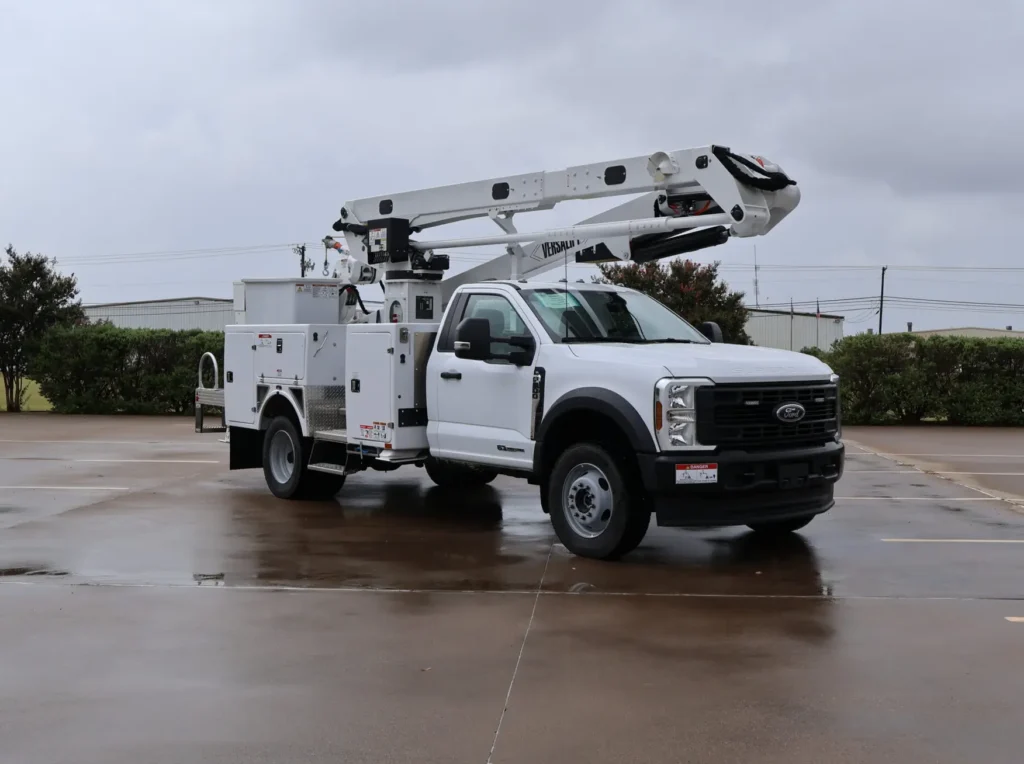
For fleets that have already identified an equipment need, Versalift Ready-to-Go inventory provides access to completed units without the standard production lead time.
That can be especially valuable near year-end, when timing may be a factor in both operational planning and capital decisions.
Ready-to-Go inventory changes regularly, but available units may include aerial lifts configured for utility, telecommunications, municipal and other fleet applications.
View current Ready-to-Go inventory at versalift.com/ready-to-go.
Every fleet and business has different operational, financial and tax considerations.
If a new equipment purchase is already part of your 2026 plan, now is a good time to review availability, delivery timing and the needs of your crews with your Versalift representative. Businesses should also work with their tax and financial advisors to determine whether Section 179, bonus depreciation or other tax provisions apply to their specific purchase.
This information is provided for general informational purposes only and is not intended as tax, accounting or legal advice.